Color Blind Test
Take the top-rated online color blindness test at butawarnates.id. Quickly detect potential color vision deficiencies and discover if you’re color blind—all in under 2 minutes!
BEFORE STARTING THE COLOR BLIND TEST
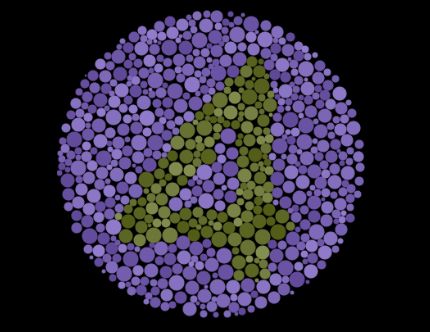
- The test presents a series of Ishihara plates, each containing numbers embedded within colored dot patterns. To pass the test, you need to correctly identify the numbers shown on these plates.
- Remove any glasses or contact lenses with colored filters before starting. This test should be taken with the naked eye to ensure accurate results.
- Set your screen brightness to a high level, as dim lighting can interfere with your ability to distinguish colors accurately.
- For the best results, take this test on a larger screen, such as a tablet or laptop, rather than a small mobile device.


What exactly is color blindness?
Color blindness is a condition where a person has difficulty telling certain colors apart, usually red, green, blue, or a mix of these.
In very rare cases, someone may lose the ability to see all colors, a condition called monochromacy. Many people think this means the world looks only black and white, but that’s not always the case. Color blindness comes in different types and levels.
Surveys show that about 8% of men and only 0.5% of women are affected by some form of color blindness.
HOW DOES THE COLOR BLIND TEST WORK?
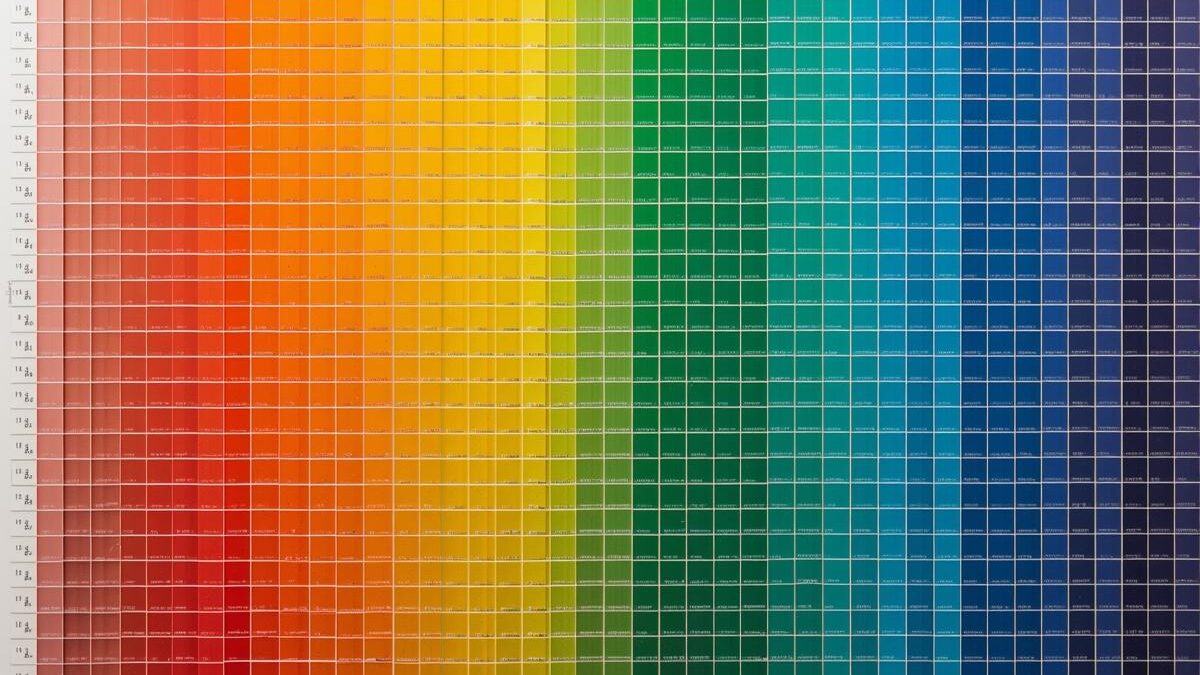
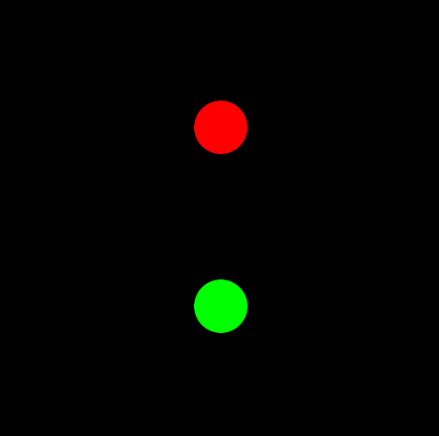
The test is designed to measure a person’s ability to recognize and distinguish between different colors. The most common form of color blindness is red-green color blindness, where individuals struggle to tell the difference between red and green shades. Other types include blue-yellow color blindness, as well as total color blindness (achromatopsia), in which all color perception is lost.
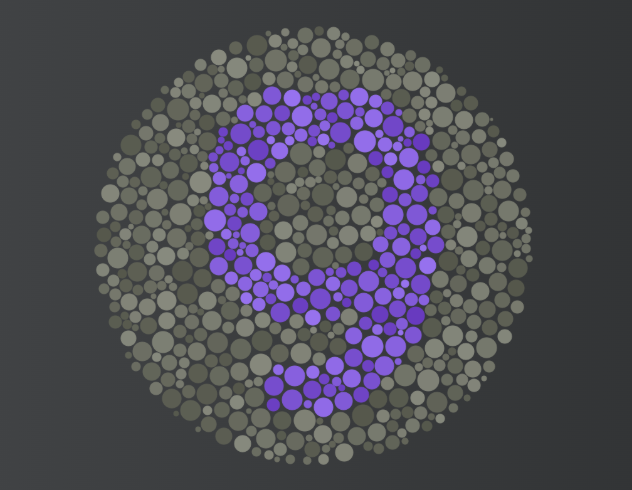
One of the most well-known tests for detecting color blindness is the Ishihara Color Test, developed by Dr. Shinobu Ishihara. This test uses a series of plates, each displaying a circle made up of colored dots. Within these dots, numbers or shapes are embedded in a contrasting color. People with normal color vision can easily recognize the hidden figures, while individuals with color vision deficiencies may find them difficult to identify or may see different figures altogether.
- Identification of Numbers or Shapes: The plates feature patterns of colored dots arranged to form hidden numbers or shapes.
- Color Vision Deficiency: A person with color vision deficiency may struggle to notice or identify the hidden numbers or shapes because the colors of the background and the embedded figure appear too similar to distinguish.
- Diagnosis: Based on a person’s responses and their ability to recognize the hidden numbers or shapes, the test can help determine both the type and the severity of the color vision deficiency.
Other types of color blindness tests may require individuals to arrange colors in a specific sequence, match similar colors, or identify colors under varying lighting conditions. These methods allow professionals to gain deeper insights into both the extent and the nature of a person’s color vision deficiency.
Types and Levels of Color Blindness
1. Red-Green Type
The red-green type of color blindness is the most common and is usually inherited. It occurs when the red or green cone pigments are damaged or function abnormally. There are four subtypes of this condition:
- Protanomaly – This condition occurs due to an abnormality in the red cone pigments. As a result, shades of red, orange, and yellow may appear green and often look less bright than they actually are. While noticeable in color-related tasks, this condition is generally mild and does not significantly impact daily life.
- Protanopia – In this type, the red cone pigments cease to function, causing red to appear as black. Certain shades of orange, yellow, and green are all perceived as variations of yellow. To assist with diagnosis, some opticians use a reverse color blindness test, where patients are asked to identify a colored object within a dynamic, multicolored background.
- Deuteranomaly – This is the most common type of color blindness found in people. It occurs due to an abnormality in the green cone pigments. As a result, yellow and green may appear as red, while purple and blue can be difficult to distinguish. This condition is generally mild and does not usually affect daily life.
- Deuteranopia – In this type, the green cone pigments stop functioning. As a result, red is often perceived as brownish-yellow, while green appears as dark yellow.
2. Blue-Yellow Type
The blue-yellow type of color blindness is much rarer than the red-green type. It occurs when the blue cone pigment (triton) is either absent or functions abnormally. This category is divided into two subtypes:
- Tritanomaly – In this subtype, the blue cone pigments function at a reduced level. As a result, blue may appear green, and it becomes difficult to distinguish pink from yellow and red.
- Tritanopia – People with Tritanopia completely lack blue cone cells. In this condition, blue is perceived as green, while yellow often appears as either purple or light brown.
3. Full (Monochromacy) Type
People with the full type of color blindness (monochromacy) are unable to see any colors at all, perceiving the world only in shades of gray. In many cases, their overall visual clarity is also reduced. There are two main types of monochromacy:
- Cone monochromacy – In cone monochromacy, two or all three cone cell pigments fail to function. Since the brain requires signals from multiple types of cones to compare and perceive colors, people with this condition struggle to distinguish between different hues. When only one type of cone works, accurate color vision is not possible.
- Rod Monochromacy – Rod monochromacy (achromatopsia) is present from birth and occurs when none of the cone cell pigments are functional. People with this condition perceive the world only in black, white, and shades of gray. They are often photophobic, meaning they experience significant discomfort in bright light, making sunny environments particularly challenging.
WHAT ARE THE USES OF A COLOUR-BLIND TEST?
There are certain professions where passing a color vision test is mandatory. In such careers, licensing or eligibility depends on the ability to perceive colors accurately, as precise color recognition is essential for safety and performance.
- Pilot – Aviation Controller: In the aviation industry, passing a color vision test is often mandatory. Accurate color recognition is crucial for identifying aviation lights, signals, and other vital visual information needed to ensure safety during operations.
- Electrician: For electricians, the ability to correctly identify color-coded wiring is critical. Since wiring colors are used to indicate specific functions and safety standards, electricians are required to pass a color vision test to prevent errors and ensure safety.
- Medical Professionals: Some medical professionals are also required to pass a color vision test, especially when their work involves interpreting diagnostic results—such as reading blood samples, examining tissue slides, or identifying visual cues that rely on accurate color recognition.
- Graphic Design: Professions that rely heavily on color, such as graphic design, may also require color vision testing. Designers need to accurately distinguish and apply colors to ensure the quality, precision, and visual impact of their work.
LENSES, GLASSES AND COLOR FILTERS
Opticians may provide special tinted glasses or contact lenses—such as single red-tinted lenses or colored speck lenses—to improve color perception. Studies suggest that color vision deficiencies occur when abnormalities in cone cells cause overlapping of light wavelengths, leading to difficulties in distinguishing colors. These tinted lenses help by enhancing contrast, allowing individuals to perceive certain colors more accurately.
These lenses use special filters to reduce overlapping wavelengths, enabling users to recognize colors with greater accuracy. Beyond vision correction, such glasses offer many practical benefits in daily life—for example, choosing clothing with matching colors and patterns. They can also support professional growth in color-dependent careers, such as graphic design or electrical work, where accurate color perception is essential.
DISCLAIMER
The color blindness test is designed for informational and educational purposes only. The results are not guaranteed to be fully accurate and should not be considered as professional medical advice, diagnosis, or treatment. If you suspect that you may have a color vision deficiency, please seek a comprehensive evaluation from a qualified eye care professional.